Ramzan Nigehban Card 2026 offered targeted Ramadan assistance, including a published Rs 10,000 benefit per eligible family. Learn how the delivery process worked and why November 2026 is not a new Ramadan application window.
Table of Contents — jump to what you need
- Eligibility criteria
- Documents to prepare
- The verified facts at a glance
- What the 2026 programme included
- Rs. 10,000 and intended reach
- Who may be selected
- Card and cash delivery
- Home delivery and facilitation camps
- Sahulat markets and food support
- Three realistic situations to compare
- Checking a payment safely
- What happens after Ramzan
- Household eligibility changes
- Avoiding misleading social posts
- Differences from regular Ration Card
- What to do before the next Ramzan
- Ramzan Nigehban 2026: understand a seasonal programme
- Receive or verify assistance safely
- Example: a family checking Nigehban support after Ramadan
- Before you take the next step
- Related Scheme Info guides
- Frequently Asked Questions
- Official sources and editorial independence
Eligibility criteria
Who qualifies under this programme
- Household identified as deserving under the Ramadan 2026 scheme
- CNIC and correct household information in the province’s selection records
- Valid contact details to receive authentic programme notices
- Follow any separately announced distribution or appeal procedures
- Do not treat historical 2026 eligibility as new November registration
Documents to prepare
Documents that must match the official records
- CNIC of selected household representative
- Valid registered mobile contact
- Any issued Nigehban Card or original distribution acknowledgment
- PSER/household identification if the scheme requests it
- Dated complaint information and transaction evidence
The verified facts at a glance
| Your question | Published terms and practical meaning |
|---|---|
| How much was the cash benefit? | Rs 10,000 per eligible family under the government’s 2026 Ramadan programme. |
| How many families were targeted? | The official programme overview describes 4 million families across Punjab. |
| How was money accessed? | Nigehban Cards supported ATM withdrawals and secure digital transactions. |
| Were cards delivered to households? | The official 2026 programme describes doorstep delivery for hundreds of thousands of cards. |
| Was there in-person assistance? | Government materials reported 167 facilitation camp sites in districts. |
| Was there other Ramadan support? | Sahulat/Ramzan bazaars, lower-priced essential goods and Nigehban Dastarkhwans were part of the package. |
| Can the 2026 scheme be applied for now? | Do not assume it is open in November. A new Ramadan phase must be announced separately. |
What the 2026 programme included
For Ramzan Nigehban Card 2026, The Punjab Government described a Ramzan Nigehban Card providing direct financial assistance and access to discounted essentials. The announcement also included facilitation camps and monitored markets. Those elements belong to a seasonal welfare package, not a standing monthly loan.
An assessment of Ramzan Nigehban Card 2026 should begin with one principle: The first decision should therefore be about the actual benefit, not the size of a headline. Read the government's description carefully, identify what must happen before a benefit is confirmed, and keep the wording of any decision or notice. Planning around a possible award as though it were cash already in hand can create avoidable costs for a household.
One useful way to approach the issue is to write three columns: what the published programme says, what evidence the applicant actually holds, and what remains unverified. This small exercise separates facts from hopes. It also helps relatives or business partners make decisions without confusing a preliminary eligibility check with an official result. With Ramzan Nigehban Card 2026, make the distinction in writing before acting.
Rs. 10,000 and intended reach
Understanding Ramzan Nigehban Card 2026 starts here: Punjab’s 2026 page names Rs. 10,000 cash assistance per eligible family and a target of four million families. These are programme announcements, not guarantees that every household received payment or that another Rs. 10,000 round has already opened.
When reviewing Ramzan Nigehban Card 2026, remember that Eligibility is rarely established by one attractive number. A sensible applicant checks every applicable condition, including identity, residency, date and exclusions, then compares that list with their genuine circumstances. When a rule is unclear, seek written clarification from the named authority rather than guessing or changing personal information to fit a form.
If your records contain a mismatch, ask which department owns the authoritative information before making corrections. A change to a phone number, land entry or household record in one office may not immediately appear in a second system. Keep a dated record of each authorized update instead of submitting multiple contradictory versions. Applied to Ramzan Nigehban Card 2026, this gives an applicant a more dependable starting point.
Who may be selected
The practical position under Ramzan Nigehban Card 2026 is this: The programme aims at low-income families chosen through official screening arrangements. A person cannot establish entitlement by sharing a screenshot of a poverty survey or a WhatsApp form. The relevant department determines beneficiary criteria for each approved cycle.
The location question in Ramzan Nigehban Card 2026 is worth examining because Local implementation can matter just as much as the national or provincial announcement. The correct district, branch, scheme site or programme phase may decide where an application should go. Before travelling or hiring help, check that the location is genuinely covered and that the published process is still accepting requests.
For a practical comparison, consider an applicant who satisfies the main geographic rule but has not confirmed the programme phase. That applicant may be suitable in principle and still unable to apply today. Another who submits on time with incorrect identity information faces a different problem. Each case calls for a different response. That distinction affects the likely path through Ramzan Nigehban Card 2026.
Card and cash delivery
A careful look at Ramzan Nigehban Card 2026 shows why Punjab described cards enabling ATM withdrawals and secure transactions. Individual rollout may involve approved financial providers, verification and distribution logistics. Keep payment instructions distinct from the card’s physical delivery or a beneficiary notification.
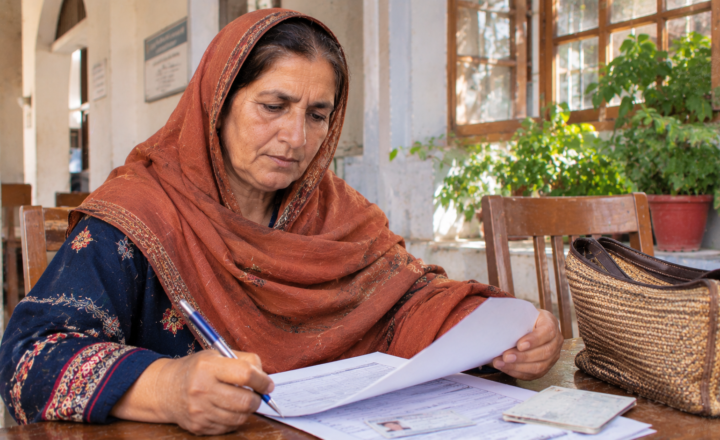
Before supplying evidence for Ramzan Nigehban Card 2026, consider this: Documents have two purposes: they establish identity and support the particular claim being made. Make a checklist before starting; compare names, addresses and dates across records; and keep readable copies. Do not assume a third-party screenshot has the latest file requirements, because portals and verification workflows can change without warning.
Keep the document pack small but well organized: identity proof, any relevant income or ownership evidence, and the official acknowledgement. Store originals securely and use copies only through legitimate channels. A well prepared file makes later correction requests easier to understand and reduces the temptation to pay an unauthorized facilitator. For Ramzan Nigehban Card 2026, keep the evidence organized before submission.
Home delivery and facilitation camps
For Ramzan Nigehban Card 2026, The government announced doorstep delivery for many cards and district facilitation sites. The exact locations and dates were part of the 2026 Ramadan operations. Avoid traveling to an old camp address without confirming it still operates.
For anyone using the official Ramzan Nigehban Card 2026 route, Online submission should be treated as a formal declaration. Read the entire form, check selected options and save a personal copy of the final acknowledgement. Where an official portal provides a reference number, record it securely. An apparently successful submit button does not necessarily mean an application was approved.
Where a portal is available, use the direct address on the official department's site rather than an advertisement. Record the page date, review any privacy notice and check the spelling of the domain. When a form is closed, treat that as a status issue—not an invitation to search for a secret alternative form. These habits help make a Ramzan Nigehban Card 2026 application more reliable.
Sahulat markets and food support
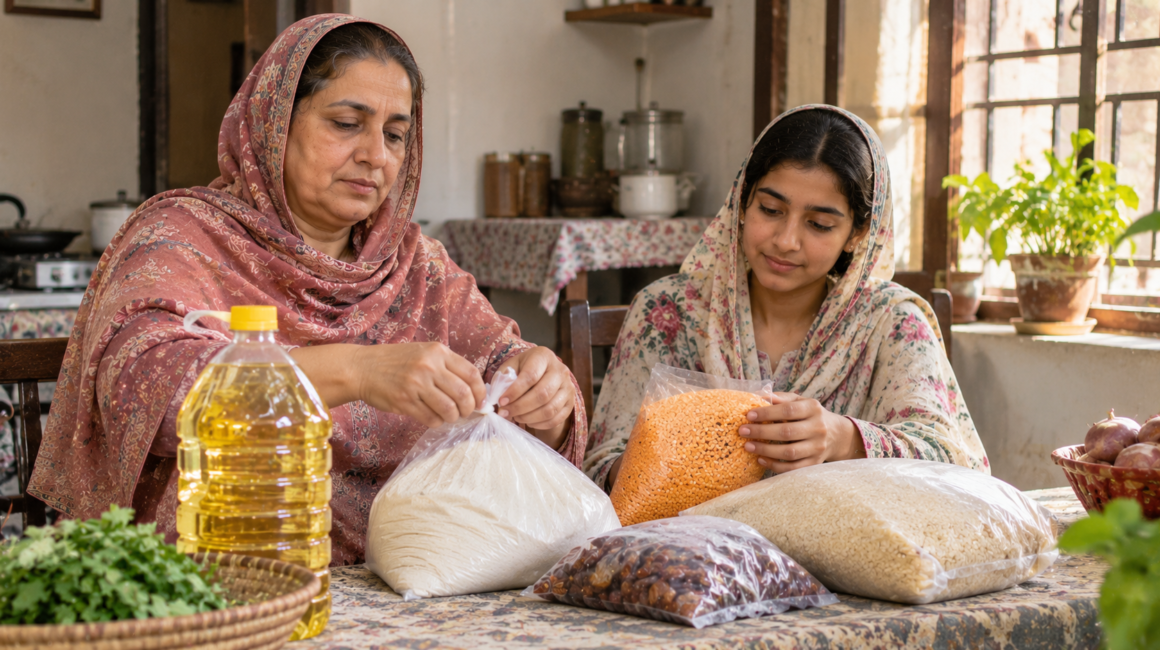
Understanding Ramzan Nigehban Card 2026 starts here: The programme also linked relief to Ramzan and Sahulat Bazaars offering essentials below market prices. These market policies are not the same as an unrestricted cash grant. Families should check current approved outlets and the displayed prices.
As a candidate moves through Ramzan Nigehban Card 2026, Verification protects the programme as well as legitimate applicants, but it can take time. Some checks happen automatically while others require human review or physical evidence. Ask what a pending or under-review status actually means; never treat an intermediary's verbal promise as proof that a government authority or bank has selected you.
After submission, note the precise status message and whether any further action is requested. A delay can arise from quotas, technical checks, record matching or an incomplete inspection, depending on the programme. The responsible authority can explain the next authorized step better than an anonymous video claiming a fixed timeline. That is a practical way to track Ramzan Nigehban Card 2026 without confusing pending and approved cases.
Three realistic situations to compare
A household missed the 2026 delivery
Retain legitimate card/application records and ask the relevant district facilitation service what historical complaint process remains.
A message promises an extra payment in November
Treat it as unverified until Punjab publishes a new dated programme notice.
An applicant already has a regular ration card
Do not confuse the standard monthly ration benefit with the separate seasonal Ramadan amount.
Checking a payment safely
The practical position under Ramzan Nigehban Card 2026 is this: Only use the verification process officially associated with the disbursement round. Ignore texts demanding advance fees or wallet PINs to release a benefit. Keep receipt, card or support reference information in a private place.
Financially, Ramzan Nigehban Card 2026 needs to be understood in these terms: Published assistance figures need context. They may describe a maximum subsidy, a per-unit amount, a target for the entire programme or a confirmed individual entitlement. Separate public budget announcements from contractual terms applying to one applicant, and calculate the costs you would still carry after any benefit.
For financial planning, distinguish the face value of support from accessible cash. A benefit in equipment, land, housing work or a restricted card may not be sold or spent on unrelated items. Ask what the recipient is allowed to do and what contribution, maintenance or reporting may still be required. In Ramzan Nigehban Card 2026, net value matters more than a headline.
The headline value should not be mistaken for the net economic gain. Applicants may have maintenance, transport, materials, legal or business-operating costs. A responsible decision compares these costs over time and checks whether receiving one form of support restricts access to another.
What happens after Ramzan
A careful look at Ramzan Nigehban Card 2026 shows why A seasonal programme ends unless the government issues a fresh phase. A website remaining online does not mean the previous card value reloads automatically. Look for a dated 2027 or later notice before telling others registration has reopened.
For the latest phase of Ramzan Nigehban Card 2026, A dated notice is usually more useful than a viral screenshot. Application openings, selection lists and payment cycles can change independently. Keep the date and source of a rule with your notes, and avoid telling friends that a programme is currently open solely because its original registration page remains accessible.
Keep a simple chronology: announcement date, submission date, last government update and next action. This avoids passing along expired information. If the page has no fresh deadline, write 'current intake not confirmed' in your own plan rather than inventing a day to make the process seem urgent. Compare every Ramzan Nigehban Card 2026 date with a freshly issued official notice.
Household eligibility changes
For Ramzan Nigehban Card 2026, If a family’s circumstances change, update information through proper registry channels when allowed. Address, household composition and income mistakes can complicate selection and grievance resolution in later government programmes.
A responsible budget for Ramzan Nigehban Card 2026 recognises that A practical household or enterprise budget should include money spent before receiving support, routine costs after receiving it and a margin for delays. Use conservative estimates rather than the most optimistic outcome. That approach makes the decision useful even if the application is deferred, reduced or rejected.
Costs are easiest to control when they are separated into essential, optional and uncertain items. Include transport, copies, connectivity, maintenance or working capital as relevant. Do not spend money on non-refundable bookings or contractors until the scheme's actual approval conditions are clear. In a Ramzan Nigehban Card 2026 plan, this is safer than assuming the most favourable outcome.
Avoiding misleading social posts
Understanding Ramzan Nigehban Card 2026 starts here: Posts claiming “Nigehban card online apply today” may simply recycle 2026 branding. Examine publication date, official domain and actual programme phase. An urgent payment demand is a strong sign of an unofficial offer.
A common difficulty with Ramzan Nigehban Card 2026 is that Many rejected or stalled applications are complicated by inconsistent documents, missing proof or incorrect assumptions about the benefit. Review the exact cause before trying again. An error that can be corrected should not be confused with a permanent exclusion, but an applicant should never use fabricated records to get around a genuine rule.
When something appears wrong, start with the source document or official status record. Identify one specific discrepancy and ask for the appropriate remedy. Repeated messages to unrelated numbers and social-media pages rarely resolve a formal eligibility or payment dispute. A thoughtful Ramzan Nigehban Card 2026 review begins by finding the exact cause.

Differences from regular Ration Card
The practical position under Ramzan Nigehban Card 2026 is this: The Ration Card is a separately described programme with PSER, income and PMT rules. Do not copy one scheme’s eligibility checklist into the other; compare their official pages and the specific calendar year of each benefit.
Individual examples involving Ramzan Nigehban Card 2026 illustrate why Personal circumstances make a difference. Two households might live in the same district but have different eligibility because of land ownership, income, family status or programme history. Use examples as a way to identify questions for the real authority, not as a substitute for individual assessment or professional advice.
A realistic scenario is useful only if its assumptions are visible. Write the applicant's age or family status, district, asset situation and evidence on hand, then test each one against the official rule. Do not turn a hypothetical example into a guaranteed approval statement. That is why Ramzan Nigehban Card 2026 cannot be assessed from a single example.
What to do before the next Ramzan
A careful look at Ramzan Nigehban Card 2026 shows why Keep identity documents current, check official assistance announcements and record your household’s genuine eligibility information. Avoid paying to reserve a future slot; assess each new notice on its own terms.
For safe participation in Ramzan Nigehban Card 2026, If a phone number, social-media account or unofficial representative asks for a deposit or PIN, verify the request through the provider's published website or help line. Protect CNIC images and financial data. For alternative support, compare the purpose and conditions of separate programmes rather than assuming their rules are interchangeable.
Finally, share only the facts that can be checked. A family member may want a simple answer, but 'eligible subject to verification' is more helpful than an unsupported promise. Keeping records and using legitimate complaint routes reduces exposure to fraud and makes the next administrative step clearer. Reliable information about Ramzan Nigehban Card 2026 starts with the provider, not an intermediary.
Ramzan Nigehban 2026: understand a seasonal programme
Ramzan assistance is time-bound. A benefit announced for the 2026 Ramadan period should not be presented as a year-round monthly payment or as an automatically reopened scheme after Eid.
Read the benefit description precisely
- The 2026 announcement described Rs 10,000 support. Check whether the relevant household received a cash or card-based entitlement according to the actual phase.
- Food supply and cash support are separate mechanisms. A Sahulat market, a delivered package and a card disbursement should not be described as identical.
- Selection depends on official screening. A household being registered in PSER is not proof that it was selected for this seasonal round.
- A past round does not guarantee a future one. New Ramadan programmes need their own government announcement and eligibility conditions.
Check household data before asking about payment
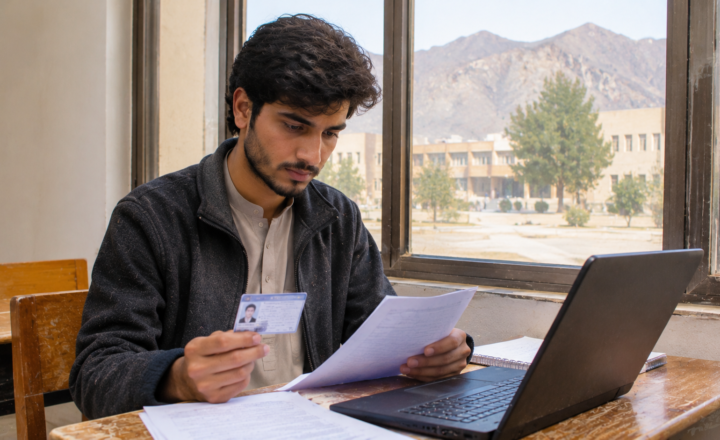
- Verify CNIC and phone consistency. Follow the programme's own beneficiary checking channel, not a random social-media link.
- Review current PSER information. Income, family size or district records may be used in eligibility screening.
- Keep acknowledgement messages. A traceable reference is more useful than relying on verbal promises.
- Ask the authorised office about discrepancies. Incorrect beneficiary data should be corrected through official procedures.
Keep the dates in view
- Identify the advertised Ramadan period. A 2026 registration or payment notification may have already expired.
- Distinguish delivery from application. A selected household may be asked to receive assistance rather than submit a fresh form.
- Avoid double-counting support. A goods package should not be added to cash figures unless the government explicitly describes both benefits.
- Watch for new policy rather than rumours. A social-media post about 'phase 2' is not an official reopening notice.
Receive or verify assistance safely
For home delivery or facilitation points
- Confirm authorised personnel. Ask for identification or verify the notice before handing over documents or allowing entry.
- Inspect supplied goods. Report missing or spoiled essential items through the recognised complaint process.
- Do not pay a delivery fee to a stranger. An unsolicited cash request is a serious warning sign.
- Keep communication respectful and private. Beneficiary names, household income and personal contact details should not be publicised.
For card or electronic payment
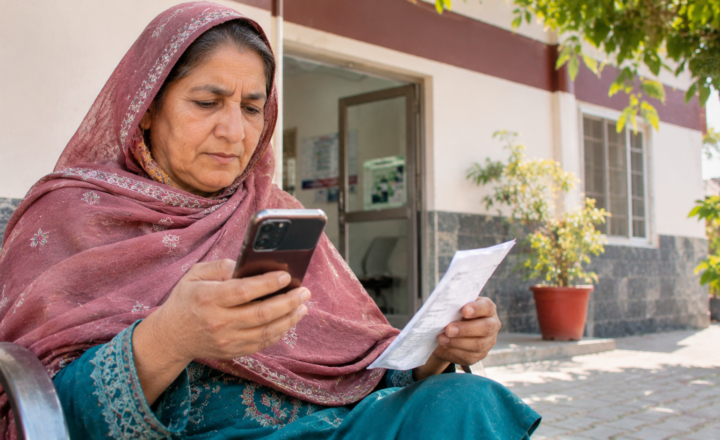
- Check official status first. An SMS screenshot or a shopkeeper's assurance is not enough to prove funds are available.
- Protect the PIN and OTP. A helper may explain a process but should not take control of the beneficiary's account.
- Count the full benefit received. Retain a receipt if any deduction seems unauthorised.
- Report failed transactions with specifics. Date, location, reference and the actual error are more useful than repeatedly trying unknown websites.
After Ramadan
- Keep a household spending record. Seasonal assistance can temporarily ease food costs but should not replace a longer-term budget.
- Explore suitable ongoing support. Ration Card or other verified schemes have different conditions and payment frequencies.
- Do not assume automatic renewal. If a later phase is announced, check its new beneficiary-screening procedure.
- Protect personal records. Delete messages from suspicious senders rather than forwarding sensitive details to 'status checkers'.
Example: a family checking Nigehban support after Ramadan
A household that saw a Rs 10,000 announcement in Ramadan 2026 may still find old websites suggesting registration is open. A reliable guide helps distinguish what happened from what is available now.
Check the correct scheme and year
- Find the dated 2026 government notice. Cash, food delivery and Sahulat market measures are not necessarily one identical payment.
- Identify the applicant's actual selection status. Being registered in a social registry does not prove eligibility for every seasonal benefit.
- Look for an official current phase. A Ramadan deadline cannot be extended by a third-party website.
- Keep the benefit type clear. A delivered food package should not be advertised as a second cash instalment without evidence.
If a payment was expected
- Retain the original message or reference. It may help the authority locate a historic claim.
- Ask which channel handled delivery. Doorstep supply, card distribution and electronic cash have different verification records.
- Report specific discrepancies. Date, amount and location are more useful than broad claims that 'the card failed'.
- Avoid paying to unblock a historic benefit. An unsolicited release fee is a major warning sign.
Plan beyond one seasonal payment
- Make a basic food budget. Temporary relief can help but does not replace household income or longer-term support.
- Check separate ongoing programmes. Ration Card eligibility and frequency differ from Ramadan assistance.
- Update PSER records through genuine channels. Accurate household information may support future screening.
- Treat future announcements independently. A later Ramadan round may use different criteria and payment arrangements.
Before you take the next step
The safest application is one supported by accurate records, a clearly dated official notice and an understanding of the obligations that come after selection. Keep your confirmation numbers privately, compare amounts with the issuing agency and never pay an intermediary who promises a guaranteed result. If a programme is paused, treat older rules as background information rather than evidence that a new application has opened.
Official sources and editorial independence
Primary programme guidance reviewed 12 November 2026. Scheme Info is an independent information publication, not a government office, bank, grant provider or application agent. Programme dates and product rules may change; approval remains with the issuing authority.
Frequently Asked Questions
How much was the cash benefit?
Rs 10,000 per eligible family under the government’s 2026 Ramadan programme.
How many families were targeted?
The official programme overview describes 4 million families across Punjab.
How was money accessed?
Nigehban Cards supported ATM withdrawals and secure digital transactions.
Were cards delivered to households?
The official 2026 programme describes doorstep delivery for hundreds of thousands of cards.
Was there in-person assistance?
Government materials reported 167 facilitation camp sites in districts.
Was there other Ramadan support?
Sahulat/Ramzan bazaars, lower-priced essential goods and Nigehban Dastarkhwans were part of the package.
Can the 2026 scheme be applied for now?
Do not assume it is open in November. A new Ramadan phase must be announced separately.
Was Ramzan relief a monthly permanent salary?
No. The published Rs 10,000 was targeted seasonal relief, not a guaranteed year-round monthly payment.
What if a card is lost?
Contact the issuing institution or district facilitation channel using an official contact route; never give out a PIN.
Can I use an old advertisement to confirm a 2027 round?
No. A new programme round would require its own application, screening and benefit announcement.