A Sindh farmer’s guide to the official Benazir Hari Card registration portal, CNIC and farm records, 2026 wheat-support news, eligibility questions, crop-cost planning, district verification and fraud prevention.
On this page — tap to open or close
- Latest verified facts
- Key terms and quick comparison
- Who qualifies and who needs to check
- Documents and record-matching checklist
- Safe application and follow-up steps
- The Hari Card is a verified farmer-support channel
- Why the October 2026 wheat support announcement matters
- Land size, tenant status and confusing eligibility claims
- What farmer registration actually requires
- How the online registration and district follow-up work
- Seed and fertiliser benefits are not the same as cash credit
- Make a one-season crop-cost worksheet
- What to do when land data do not match
- Phone safety and avoiding fake card registration
- District contact and what happens after submission
- Three real-world decision examples
- Mistakes, delays and fraud prevention
- Official sources and related SchemeInfo guides
Latest verified facts about Benazir Hari Card Registration 2026
The Benazir Hari Card Registration 2026 is part of the Sindh Agriculture Department’s effort to register agricultural households, verify farmers and distribute support through more traceable channels. The scheme site describes seed and fertiliser assistance, interest-free financing possibilities and a long-term ambition to bring many Sindh farmers into a digital record system. Its published registration site remains the safest starting point.
When using the official Benazir Hari Card Registration 2026 application route, there are multiple layers: becoming registered; meeting the criteria of a particular scheme round; getting verification; and receiving the benefit if approved. A farmer should not budget an announced subsidy until the relevant crop and registration window are confirmed. In October 2026 the department publicised a wheat-grower support programme through the card, demonstrating why one-season details matter.
Benazir Hari Card Registration 2026 — quick comparison before you proceed
| Decision point | What it means in practice |
|---|---|
| Organising department | Sindh Agriculture Department and official Hari Card system. |
| Registration | Official Benazir Hari Card website links to farmer registration. |
| Possible assistance | Published descriptions mention inputs and finance, depending on scheme round. |
| 2026 topical update | October 11 government post discusses wheat-grower support. |
| Landholding details | Verify actual owned and cultivated area; do not assume one blanket rule covers every subsidy. |
| Official contact | Website lists 0311-1646111 as programme helpline; check there before calling. |
When preparing to use Benazir Hari Card Registration 2026, A registered farmer is not necessarily an approved recipient of every form of support. For example, a seasonal wheat-input scheme may require proof of sowing, district residence and cultivation acreage, while a loan product will also have repayment documentation. Crop insurance can depend on the crop and risks covered. Each product should have its own eligibility and conditions.
Before submitting details for Benazir Hari Card Registration 2026, the initial Hari Card registration also differs from BISP 8171 assistance. Both use the Benazir name, but the Agriculture Department programme deals with farming and agricultural support rather than the unrelated household cash-assistance procedures.
Benazir Hari Card Registration 2026 eligibility: who should check first?
When checking eligibility for Benazir Hari Card Registration 2026, treat eligibility as a combination of Sindh farmer identity and the separate crop-support conditions that apply to the latest open round.
- Before assuming Benazir Hari Card Registration 2026 is suitable, farmer active in Sindh, with valid identity and agricultural activity details.
- Correct district, taluka and village information in the registration system.
- Documentable land ownership, tenancy or cultivated area, as required by the current rules.
- Accurate and consistent farmer and household information.
- Compliance with any crop-specific acreage and planting conditions.
- Willingness to complete official verification rather than paying an intermediary.
For an applicant reviewing Benazir Hari Card Registration 2026 criteria, some media reports use a 25-acre headline. Confirm the current programme-specific limits and tenant treatment from Sindh Agriculture authorities before assuming qualification.
Documents and record-matching checklist
When preparing Benazir Hari Card Registration 2026 documents, good preparation reduces registration errors, especially when a farmer’s ownership and cultivation records differ.
- A valid CNIC and secure personal phone number.
- Correct district, taluka, village and current farm location.
- Land or tenancy/cultivation documentation relevant to your arrangement.
- Any survey, ownership or revenue details requested by the official form.
- Crop details and sowing information for specific input subsidy rounds.
- To avoid documentation problems with Benazir Hari Card Registration 2026, bank or payment account information only if requested through an official authenticated channel.
For an application file related to Benazir Hari Card Registration 2026, do not place a full CNIC or biometric information in a public Facebook group asking about “Hari Card status”.
Safe Benazir Hari Card Registration 2026 application and follow-up
When following the Benazir Hari Card Registration 2026 process, use the official agriculture-channel registration process, then treat any subsidy application as a separate verification stage where required.
- Open benazirharicard.gos.pk and follow its official BHC Registration link.
- When using the official Benazir Hari Card Registration 2026 application route, prepare identity and correct land or tenancy details before creating a record.
- Enter current village, district and crop information truthfully.
- Check every field before confirming the application.
- Save the official acknowledgement or registration reference.
- Monitor Sindh Agriculture Department notices for the relevant support round.
- Respond only to legitimate district verification requests.
- For delayed status or corrections, use the programme’s published helpdesk and district channels.
To avoid mistakes when applying for Benazir Hari Card Registration 2026, farmers without stable internet can ask the district office about authorised assistance rather than handing identity records to unknown private agents.
The Hari Card is a verified farmer-support channel
The Benazir Hari Card Registration 2026 programme is run through the Sindh Agriculture Department, with its own government portal and farmer-registration system. Its purpose is to identify agricultural households and connect eligible farmers with support measures such as seed, fertiliser and agricultural-finance assistance. It is not a universal cash allowance automatically credited to every rural CNIC. A farmer’s crop, district, landholding and registration status matter to the benefit available in any particular round. The portal confirms registration availability, but an online submission is only the beginning of verification.
What to check before acting
- When preparing to use Benazir Hari Card Registration 2026, use the official benazirharicard.gos.pk website and its linked registration portal.
- Understand that registration and approval for a specific subsidy are different stages.
- Keep the household’s farm and identity information consistent across records.
- Follow district notices for crop-specific support instead of social-media rumours.
- Keep receipts and farmer IDs for future follow-up.
Why the October 2026 wheat support announcement matters
The Sindh Agriculture Department publicised a wheat-grower support programme in October 2026 and referenced the Benazir Hari Card Registration 2026 as a subsidy delivery channel. That is a seasonal measure, not evidence that every crop or every registered farmer receives an identical cash amount. Farmers should check the season, cultivation area, verification requirements and any current district-specific schedule. An old announcement for a cotton or wheat round should never be republished as a permanent payment promise for all crops. Good planning starts with the exact input needs for the coming agricultural season.
What to check before acting
- When following Benazir Hari Card Registration 2026 updates, identify the crop and season specified in the latest Sindh Agriculture notice.
- Check whether your district is covered by the particular round.
- Keep evidence of sowing, land use and input purchases where applicable.
- Do not assume the previous year’s per-acre subsidy continues unchanged.
- Confirm the actual benefit through an official Agriculture Department or district contact.
Land size, tenant status and confusing eligibility claims
To assess eligibility under Benazir Hari Card Registration 2026, online summaries sometimes simplify eligibility to “up to 25 acres”, but different published descriptions refer to different grower groups and assistance levels. The programme’s official public page focuses on farmer registration and benefit verification rather than an unconditional rule that every farm of 25 acres or less gets an identical payment. Before registering, a grower should verify the current crop-specific landholding conditions and whether leased, tenant or shared cultivation can be entered. Misreporting area to meet a perceived limit can cause exclusion or later recovery action.
What to check before acting
- Record cultivated acres separately from owned acres.
- Keep landlord or tenancy evidence if your farming is not based on ownership.
- Check whether a crop-support round has a separate acreage ceiling.
- Confirm that land records match the district where the farm is located.
- Never pay a broker to alter farm size in a government database.

What farmer registration actually requires
When using the official Benazir Hari Card Registration 2026 application route, registration commonly depends on identity information, mobile contact, location and agricultural holdings. The official site links to a registration system and provides district support options. Farmers should gather the latest CNIC and land or tenancy records, know their correct village and taluka, and keep a phone number they personally control. Typing a wrong land survey number or using a family member’s phone without permission can delay an otherwise straightforward record. The application should be treated as an administrative record, not as a race to enter as many details as possible.
What to check before acting
- Prepare a valid CNIC and a phone number accessible throughout verification.
- Identify district, taluka, union council and village accurately.
- Know recorded farmland details and any relevant survey or khata numbers.
- Keep tenancy or cultivation evidence where applicable.
- Save the registration confirmation and never share an OTP with local agents.
How the online registration and district follow-up work
Begin at the official scheme website and follow the department’s own BHC Registration link. Register only once using truthful records, carefully check the confirmation screen and keep the tracking evidence. The department also lists a contact number and district-level support mechanisms. If the internet is unstable in a village, a farmer may need help at a government office, but should not leave an unlocked phone or unredacted CNIC with an unknown shopkeeper. District verification can involve land information and agricultural records rather than immediate transfer of a subsidy.
What to check before acting
- Open the portal directly rather than through a forwarded third-party form.
- Complete farmer identity and cultivation information without guessing.
- Check spellings, acreage and district before final submission.
- Keep the official reference or acknowledgement safely.
- Use district Agriculture Department channels for discrepancies.
Seed and fertiliser benefits are not the same as cash credit
When budgeting for Benazir Hari Card Registration 2026, different assistance mechanisms have different purposes. A seed or fertiliser input subsidy reduces an actual production expense; an interest-free loan creates an obligation that may require repayment; an insurance or risk-sharing programme deals with specified loss events. The existence of all these possibilities on a programme website does not mean every registered person receives each one. Farmers should request the written terms for the particular benefit before ordering supplies or changing cultivation decisions. Plan a season around predictable farm economics, with support treated as conditional until approved.
What to check before acting
- Ask whether support is a voucher, price concession, cash credit or loan.
- Read the eligible input list before purchasing fertiliser or seed.
- Check the crop and season to which the support applies.
- Keep purchase receipts in case verification is required.
- Understand any repayment duty before accepting finance described as “interest free”.
Make a one-season crop-cost worksheet
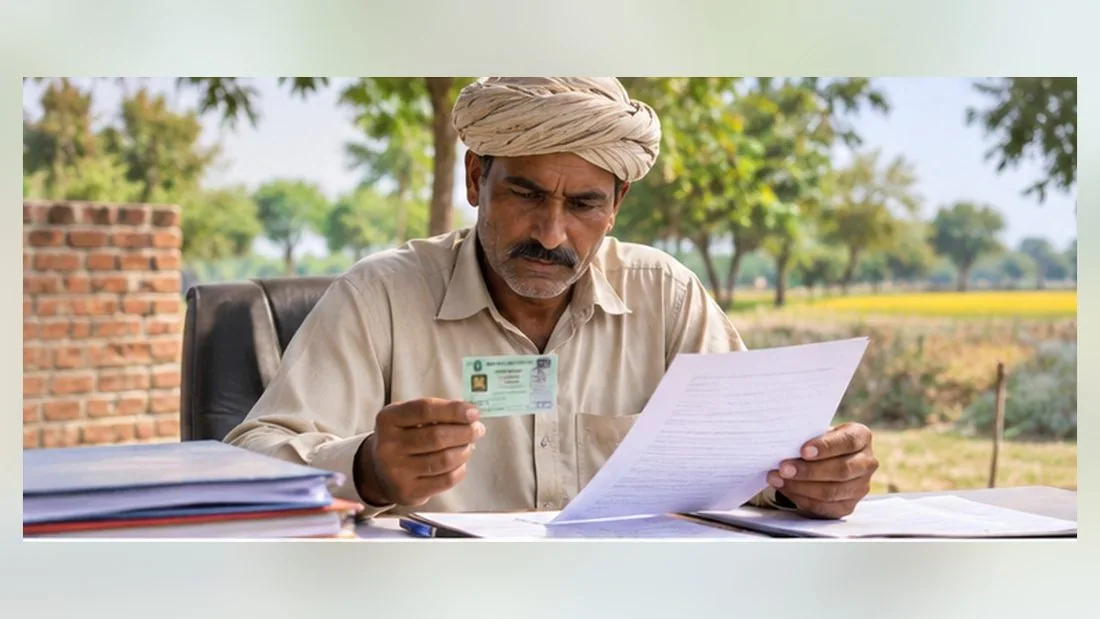
For a realistic Benazir Hari Card Registration 2026 financial decision, A working farm budget is more valuable than simply knowing a headline subsidy amount. List land preparation, certified seed, fertiliser, irrigation, pesticides, labour, harvesting and transport. Estimate realistic yields using local conditions, then test the sales price at a conservative level. This shows whether subsidised inputs would materially improve profit and whether any linked loan can be repaid. Weather, pests, market access and storage losses matter as much as the quoted input cost. Farmers should revise the plan after receiving actual programme terms.
What to check before acting
- Write expected cash spending by agricultural operation and date.
- Separate owned machinery costs from hired tractor or thresher services.
- Estimate yield at ordinary, weak and strong harvest levels.
- Allow for transport, bagging and market commission deductions.
- Recalculate finance needs if the subsidy is delayed or reduced.
What to do when land data do not match
For readers evaluating Benazir Hari Card Registration 2026, agricultural records may lag behind inheritance transfers, informal lease arrangements and cultivation changes. A name mismatch, incomplete land survey entry or incorrect district can block electronic verification even when the applicant has a genuine farming activity. Correct the underlying record through authorised revenue or agriculture channels instead of reapplying repeatedly with invented details. The process may take time and require original records, but building a correct administrative file can help with future seasonal programmes as well as Hari Card registration.
What to check before acting
- Compare farm records with your CNIC and any mutation or title documents.
- Ask the relevant revenue office how to correct a genuine ownership error.
- Keep copies of filed correction requests and official acknowledgements.
- Inform district agriculture support if a pending correction affects subsidy verification.
- Avoid unofficial “data unlocking” fees paid to private agents.
Phone safety and avoiding fake card registration
The phrase “Benazir Card” is easily confused with BISP assistance and other schemes, creating opportunities for phishing. Benazir Hari Card Registration 2026 belongs to the Sindh Agriculture Department; it is not the BISP 8171 income-support card. Scammers may promote fake application forms, request biometric fingerprints or ask farmers to deposit a “processing fee”. Use the official domain and published helpline, and keep the portal address bookmarked. Never let a stranger take control of a bank or mobile wallet application to “activate” a farmer card.
What to check before acting
- Confirm the domain ends with benazirharicard.gos.pk.
- Never give an OTP to a caller pretending to be an agriculture field officer.
- Do not enter banking PINs on farmer-information websites.
- Verify the official helpline before trusting an SMS or call.
- Report suspected card-registration fraud with transaction details and evidence.
District contact and what happens after submission
While organising records for Benazir Hari Card Registration 2026, A farmer should check registration status periodically, respond to valid verification requests and retain any receipt for approved input support. A registered card does not freeze terms forever: each seasonal subsidy may have a fresh notice or eligibility window. The published site lists a phone helpline and agriculture contact channels. When reporting a problem, state the registration reference, district and reason for follow-up without publishing full CNIC details. A calm documented complaint is more useful than posting confidential farmer data in a social media comment thread.
What to check before acting
- Keep a folder for registration acknowledgements and official letters.
- Monitor the Agriculture Department for crop-specific announcements.
- Ask the district office what “pending verification” means in your case.
- Keep farm records up to date before the next sowing season.
- Contact 0311-1646111 only after verifying it on the government portal.
Three practical Benazir Hari Card Registration 2026 examples to compare
When preparing to use Benazir Hari Card Registration 2026, the following examples are illustrations rather than approval decisions. They help show what good applicants check before spending money or handing over documents.
Example 1: A wheat grower in Sanghar
Before submitting details for Benazir Hari Card Registration 2026, A land-owning wheat farmer wants to know whether October 2026 support covers an upcoming sowing season. He should check the department notice, record the actual acreage and keep evidence of seed and fertiliser spending.
- Confirm the specific wheat-support round.
- Document actual area and cropping activity.
- Budget full expenses until support is approved.
Example 2: A tenant farmer in Badin
When following the Benazir Hari Card Registration 2026 process, A tenant operates six acres but does not hold a title deed. The correct approach is to seek district guidance on tenancy verification rather than use the landlord’s identity as if it were his own.
- Identify tenure arrangement accurately.
- Gather available cultivation evidence.
- Use the authorised correction process.
Example 3: A family with outdated land records
To avoid mistakes when applying for Benazir Hari Card Registration 2026, an inheritance transfer is not yet reflected in the relevant record. Repeated false applications can create problems; the family should verify the proper revenue-record update and keep the official acknowledgement.
- Correct the underlying land record.
- Keep copies of mutation or inheritance paperwork.
- Avoid data-change fees paid to brokers.
Common mistakes that cost time or money
When weighing the costs connected with Benazir Hari Card Registration 2026, the card can be valuable, but an online form does not guarantee a subsidy amount or bank transfer.
- Confusing Sindh Agriculture Hari Card with BISP 8171.
- Assuming all registered farmers automatically receive each kind of subsidy.
- Copying last season’s rate or deadline into a new application.
- Misstating owned versus cultivated land.
- Entering the wrong taluka, village or survey details.
- Paying a private agent to “guarantee” district approval.
- Sharing mobile wallet or banking OTPs.
- Not keeping a registration acknowledgement.
- Ignoring a legitimate verification request due to an out-of-date phone number.
- Treating crop insurance or a loan as an unconditional cash grant.
An accurate farmer record is useful across multiple agricultural seasons and is worth maintaining carefully.
Official sources and more guides on SchemeInfo
Check the original publication before acting. SchemeInfo summarises information independently and does not take applications, charge processing fees or guarantee approval.
Official government and programme sources
- Official Benazir Hari Card site
- Sindh Agriculture wheat-support notice October 2026
- Programme registration and portals
Related SchemeInfo reading
The following cross-links use proposed WordPress slugs. Confirm them against published permalinks before going live.
Frequently asked questions
The answers below distinguish published programme rules from practical guidance. If an application date or amount changes, the official source takes priority.
Is Benazir Hari Card registration open?
The official government portal describes live farmer registration. Check the active form and any new notices on the linked official site.
Is the programme limited to Sindh?
When reviewing Benazir Hari Card Registration 2026, the Benazir Hari Card is administered by the Sindh Agriculture Department and is focused on its farmer registration system.
Does every registered farmer get money?
No. Registration creates or updates a farmer record; specific seasonal assistance depends on additional rules, verification and approval.
Do farmers with up to 25 acres automatically qualify?
Do not rely on a blanket acreage statement for every 2026 benefit. Confirm the current crop-specific and tenancy rules with officials.
How do I register online?
In the context of Benazir Hari Card Registration 2026, start at benazirharicard.gos.pk and follow the site’s own registration link rather than a third-party copy.
Can tenant farmers apply?
Tenancy and cultivation status should be declared accurately. Ask the district agriculture office how the current programme verifies non-owner farmers.
What was announced in October 2026?
The Sindh Agriculture Department publicised a wheat-grower support programme linked to Benazir Hari Card in October 2026.
Is this the same as BISP 8171?
For someone considering Benazir Hari Card Registration 2026, no. The Hari Card is an agricultural support initiative, not the Benazir Kafaalat household assistance programme.
Where can I ask for help?
The official Hari Card website lists the helpline 0311-1646111 and support contacts. Verify the number there before calling.
Should I pay an agent for guaranteed approval?
No. Avoid payment requests from unofficial agents who promise card activation or guaranteed subsidy without authentic government documentation.
Editorial disclosure: SchemeInfo is an independent information website, not the government, lender, programme administrator or payment agent. Dates, eligibility and availability can change. Never send a CNIC image, OTP or banking PIN to an unverified contact. Photo images are credited archival photographs and do not document programme-specific 2026 events.