The Pakistani vehicle-owner guide to the government’s 9771 registration and fuel token system: motorcycle and 800cc car quotas, Rs 100-per-litre discount, SMS instructions, token expiry and fraud warnings.
On this page — tap to open or close
- Latest verified facts
- Key terms and quick comparison
- Who qualifies and who needs to check
- Documents and record-matching checklist
- Safe application and follow-up steps
- The scheme is a token discount, not a petrol cash grant
- Motorcycles, three-wheelers and 800cc cars have different quotas
- How registration using 9771 is described
- How the TOK fuel token is used at the pump
- Registration date and operational phases matter
- Know what the discount does to your monthly transport budget
- What if registration fails or your vehicle record is wrong?
- What to expect at a petrol pump
- How to recognise a fake fuel subsidy message
- Compare fuel support with other mobility programmes
- Three real-world decision examples
- Mistakes, delays and fraud prevention
- Official sources and related SchemeInfo guides
Latest verified facts about PM Fuel Relief Scheme 2026
When preparing PM Fuel Relief Scheme 2026 documents, the government’s fuel-relief system was announced with a digital process linking a vehicle owner’s identity and registration record to discount tokens. The Ministry of IT and Telecommunication described a nationwide registration route, staged redemption dates and a fuel-pump operator verification app. Unlike a direct cash grant, the scheme reduces the price of qualifying litres purchased through the token process.
When budgeting for PM Fuel Relief Scheme 2026, the distinction matters for low-income commuters and students. A promise of “Rs 100 petrol subsidy” is incomplete unless it explains the applicable vehicle classes, monthly litre limits, token size, validity and live petrol-pump availability. The programme’s September rollout details must not be presented as a brand-new November launch simply because a screenshot circulated in November.
PM Fuel Relief Scheme 2026 — quick comparison before you proceed
| Decision point | What it means in practice |
|---|---|
| Registration | REG-format SMS to 9771 with CNIC, vehicle, province indicator and registration date. |
| Token request | Published instruction: send TOK to 9771 before eligible purchase. |
| Motorcycles / three-wheelers | Twenty litres monthly, with five-litre tokens and stated token validity. |
| Small cars | Cars up to 800cc: thirty litres monthly with ten-litre tokens. |
| Published concession | Rs 100 per qualifying litre redeemed through verification. |
| Availability | Registration, token issuance and pump redemption can be distinct operational stages. |
For a realistic PM Fuel Relief Scheme 2026 financial decision, A five-litre motorcycle token at Rs 100 relief per litre gives Rs 500 off the qualifying transaction. Four such tokens at the published monthly volume would total Rs 2,000 maximum arithmetic relief. An eligible up-to-800cc car using its published thirty-litre monthly allowance could receive up to Rs 3,000 in discounted fuel value. These figures are ceilings based on full permitted use, not guaranteed deposits.
When weighing the costs connected with PM Fuel Relief Scheme 2026, actual savings depend on a driver’s normal fuel consumption and whether the tokens can be redeemed at an authorised pump. Do not drive longer distances merely to use a token. The travel cost and time may outweigh a smaller fuel concession.
PM Fuel Relief Scheme 2026 eligibility: who should check first?
When checking eligibility for PM Fuel Relief Scheme 2026, the first screen is vehicle and ownership eligibility. Reconcile the scheme category with your actual registration document and check whether the programme’s operational service is available in your area.
- To assess eligibility under PM Fuel Relief Scheme 2026, pakistani citizen with identity details accepted by the official registration system.
- Registered motorcycle or three-wheeler, or a passenger car meeting the up-to-800cc definition.
- Vehicle registration information that matches the applicant details required by the system.
- Valid use of the prescribed provincial indicator and vehicle registration date.
- Ability to obtain and redeem an official token at a compatible station.
- No attempts to trade, duplicate or misuse another vehicle’s quota.
For an applicant reviewing PM Fuel Relief Scheme 2026 criteria, A larger car should not be assumed eligible merely because someone in the same household owns a motorcycle.
Documents and record-matching checklist
For an application file related to PM Fuel Relief Scheme 2026, this is a digital vehicle-verification workflow. Keep the required details close but avoid sending full scans to unverified people.
- Valid CNIC with correct digits for the registration message.
- Vehicle registration certificate or card showing registration number.
- Province of registration and officially required province indicator.
- Vehicle registration date in the prescribed format.
- Phone able to send and receive official 9771 SMS.
- Fuel token and any purchase receipt for redemption follow-up.
While organising records for PM Fuel Relief Scheme 2026, A petrol pump should not require your banking PIN to validate a fuel token.
Safe PM Fuel Relief Scheme 2026 application and follow-up
When using the official PM Fuel Relief Scheme 2026 application route, the sequence below reflects the government’s published registration-and-redemption method, but live operational availability must be verified.
- Review the Ministry of IT official notice and current scheme availability.
- To avoid mistakes when applying for PM Fuel Relief Scheme 2026, prepare CNIC, vehicle registration, province indicator and registration date.
- Send the required REG-format SMS to 9771 exactly as specified.
- Keep the reply confirming registration or describing a problem.
- Before refuelling, request a token by sending TOK to 9771 when available.
- Check token validity, vehicle class and the litres permitted.
- Visit an authorised station and request verified redemption.
- Check the dispenser, discount, receipt and any remaining monthly allowance.
If the system is offline, do not assume an unverified SMS screenshot is proof that the pump must provide a discount. Keep records and use an official support route.
The scheme is a token discount, not a petrol cash grant
In a practical PM Fuel Relief Scheme 2026 cost comparison, the Prime Minister’s Fuel Relief Scheme uses a digital registration-and-token system. A qualifying vehicle owner does not simply receive Rs 100 per litre in a bank account. Instead, eligible fuel purchases are discounted when a registered owner presents a valid token at a participating station and the pump operator verifies it. The scheme’s published implementation instructions began in September 2026, making it important to distinguish live operational details from misleading November “new launch” posts. Readers should check the Ministry of IT’s published instructions before driving across the city for a promised payment.
What to check before acting
- In a practical PM Fuel Relief Scheme 2026 cost comparison, understand the difference between a discounted litre and a direct cash transfer.
- Register only the vehicle and identity you genuinely own or are authorised to use.
- Check which stations can verify the token in your area.
- Keep the government instruction page handy rather than relying on forwarded images.
- Ask the operator for a printed or recorded transaction showing the relief applied.
Motorcycles, three-wheelers and 800cc cars have different quotas
For someone assessing the financial side of PM Fuel Relief Scheme 2026, according to the published instructions, two- and three-wheelers have a monthly entitlement of twenty litres, issued through five-litre tokens. Motor cars with engine capacity up to 800cc have a thirty-litre monthly entitlement, issued through ten-litre tokens. These are not interchangeable allowances; an 800cc car cannot use a motorcycle token just because it is cheaper to run. Likewise, someone with a larger vehicle should not interpret the headline as an unlimited discount. Confirm the qualifying vehicle class in the official workflow before relying on any amount.
What to check before acting
- When reviewing PM Fuel Relief Scheme 2026, verify whether the registered vehicle is a bike, three-wheeler or qualifying car.
- For a motorcycle, budget around the published 20-litre monthly limit.
- For an eligible car, read the 30-litre monthly limit and ten-litre token rules.
- Never borrow or trade another household’s token to exceed your quota.
- Keep a record of litres redeemed so you can reconcile the remaining balance.
How registration using 9771 is described
When preparing to use PM Fuel Relief Scheme 2026, the Ministry of IT published an SMS registration format: REG, CNIC, vehicle number, first letter of the registration province and registration date. The exact format and instructions should be copied from the official page because an incorrect space or vehicle record can cause a failed verification. Send registration only to the publicised short code, not to a mobile number provided by a social media agent. Your official documents, registration card and cellular connection should be consistent to avoid preventable data errors.
What to check before acting
- When using the official PM Fuel Relief Scheme 2026 application route, read the latest official SMS syntax before sending sensitive identity information.
- Write the CNIC and vehicle registration data carefully with required spacing.
- Use the province indicator exactly as officially specified.
- Keep the system’s registration reply or reference for support.
- Do not pay anyone to “register your CNIC” on an unofficial phone number.
How the TOK fuel token is used at the pump
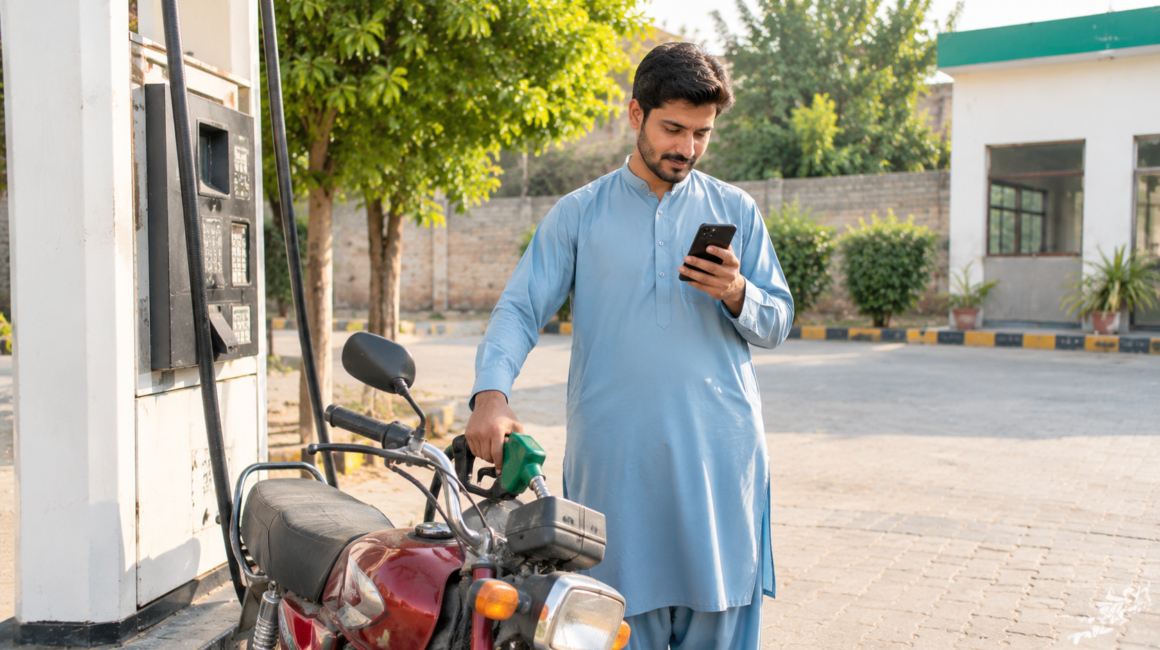
Before submitting details for PM Fuel Relief Scheme 2026, once registration is accepted and redemption is available in the area, the official process says to send TOK to 9771 before a fuel-station visit. The token is not a payment card; it authorises the relevant discounted purchase under the published quantity and validity conditions. The petrol pump confirms the token through an application. A motorcyclist’s five-litre token has a different published validity period from the car’s ten-litre token, so generating too many tokens early may create inconvenience. Check availability at the station before travelling, especially where rollouts have been phased.
What to check before acting
- Generate the token using only the official short code.
- Check the expiry period displayed in the response message.
- Choose a station equipped for official token verification.
- Show the relevant message and ask for the discount to appear in the transaction.
- Do not reveal unrelated OTPs or permit access to your payment-wallet app.
Registration date and operational phases matter
A registration portal or SMS service being open does not mean every filling station can immediately process a discounted purchase. The original government rollout was staged: registration began first, then token redemption was scheduled to start in Islamabad and subsequently extend nationwide. Verify current operational status through the ministry, authorised public notices or a station that actually operates the verification device. This distinction matters if a viral poster promises “available today” without specifying city, vehicle type, server readiness or the date on which it was published.
What to check before acting
- Distinguish registration availability from live token redemption.
- Use the date of the official ministry notice rather than an undated viral image.
- Confirm whether nearby petrol pumps currently accept verified tokens.
- Keep sufficient travel fuel if a station’s discount system fails.
- Do not assume a November repost represents a new nationwide launch.
Know what the discount does to your monthly transport budget
For a bike rider earning a daily wage, petrol is a regular household expense. PM Fuel Relief Scheme 2026 should be treated as a reduction in qualifying litres, not as permission to ride more or take a loan. Record normal monthly litres before registration and calculate how many fall within the subsidised allowance. The scheme may lower a rider’s cost but does not change maintenance, tyres, insurance, or the fuel consumed beyond the monthly quota. Comparing total transport costs helps families budget realistically rather than focusing on one attractive headline.
What to check before acting
- Write down your usual litres consumed per week.
- Separate litres inside the quota from litres purchased at the ordinary price.
- Avoid changing travel patterns merely to use every discounted litre.
- Include repairs, oil changes and parking when comparing total commuting cost.
- Use your actual fuel receipts to understand the benefit received.
What if registration fails or your vehicle record is wrong?
When following the PM Fuel Relief Scheme 2026 process, SMS registration depends on accurate vehicle and identity records. A failure could reflect incorrect spacing, invalid province code, an unverified CNIC-to-vehicle match or a backend issue. Repeatedly entering different identities to bypass a failed attempt is unsafe and may breach programme rules. Start by comparing your documents with the exact message sent, then use the official support path. If your registration certificate is old or needs correction, deal with the relevant vehicle registration authority separately.
What to check before acting
- Compare each digit on the vehicle registration document with the SMS.
- Use the prescribed province code and date format.
- Keep a screenshot of any rejection reason for troubleshooting.
- Do not pay an online “CNIC fixer” or share biometric details.
- Contact the official helpline or registration authority for unresolved mismatches.
What to expect at a petrol pump
For readers evaluating PM Fuel Relief Scheme 2026, A transparent transaction should show the actual litres sold, relevant price and relief value, rather than a mysterious discount applied after leaving the pump. Ask the operator to demonstrate the token validation and retain the receipt where available. The station should not demand cash to enrol a new vehicle or share an owner’s CNIC photo with unknown people. Problems should be reported using the programme’s official channels, including pump details and the date and approximate time, instead of exposing private data in public groups.
What to check before acting
- Check the litres on the dispenser before and after fuelling.
- Verify that the operator redeemed the correct token.
- Ask for evidence of the subsidy in the transaction.
- Note station identity and location if there is a dispute.
- Do not give the operator your phone unlocked or your banking PIN.
How to recognise a fake fuel subsidy message
When checking fraud risks around PM Fuel Relief Scheme 2026, a viral promise might display a government seal, ask the reader to click a short link, pay an activation fee or share a six-digit phone code. The legitimate publicised route uses the official 9771 SMS and a token-verification system. Fraudsters may also circulate unrealistic schemes such as unlimited monthly fuel or money deposited into a mobile wallet for every citizen. Those claims do not match the stated limits. The strongest defence is to verify the instructions at the ministry source and avoid discussing confidential identity details with unknown callers.
What to check before acting
- Treat fee demands and private WhatsApp registration offers as warning signs.
- Confirm the actual code is 9771 before sending anything.
- Never share OTPs, banking credentials or complete CNIC photographs with strangers.
- Be sceptical of edited screenshots showing unlimited subsidy balances.
- Report deceptive registration pages to the relevant authorities.
Compare fuel support with other mobility programmes
PM Fuel Relief Scheme 2026 is not the same as a provincial bike finance programme, an e-bike subsidy, vehicle tax discount or low-interest car loan. A family considering a new motorbike should not assume a future vehicle will automatically be registered for fuel relief at purchase. Different programmes have different funding sources, eligibility and benefits. People deciding between a petrol motorcycle and an e-bike should calculate total running cost and charging access separately from any temporary discount on petrol litres.
What to check before acting
- Do not merge Punjab e-bike application rules with national fuel relief SMS rules.
- Calculate affordability without assuming a subsidy remains indefinitely.
- Ask a dealer about vehicle ownership transfer documentation before purchase.
- Use official program notices when comparing assistance options.
- Keep transport decisions aligned with work, education and household budget needs.
Three practical PM Fuel Relief Scheme 2026 examples to compare
In a practical PM Fuel Relief Scheme 2026 situation, the following examples are illustrations rather than approval decisions. They help show what good applicants check before spending money or handing over documents.
Example 1: Daily motorcycle commuter
For readers comparing PM Fuel Relief Scheme 2026 scenarios, A delivery rider typically uses 35 litres monthly. The published allowance permits discounting up to 20 litres, so the remaining 15 litres remain an ordinary fuel-budget item. A realistic monthly plan keeps both portions.
- 20-litre bike quota is not 35 litres.
- Maximum arithmetic relief is Rs 2,000 at Rs 100 per litre.
- Keep maintenance and normal extra litres in the budget.
Example 2: Family with an 800cc small car
To apply PM Fuel Relief Scheme 2026 guidance in real life, A household uses a registered qualifying car for school pickup and hospital visits. At the full thirty-litre quota the maximum arithmetic concession is Rs 3,000, but the family must ensure vehicle registration data and pump verification are valid.
- Confirm engine capacity and registered vehicle identity.
- Use ten-litre tokens as stated in official instructions.
- Check actual purchase records.
Example 3: Vehicle ownership recently transferred
When weighing PM Fuel Relief Scheme 2026 example, A used bike was purchased but the registration is still in the seller’s name. The buyer should correct ownership records rather than apply with the wrong CNIC or pay an agent to bypass verification.
- Complete legal registration transfer.
- Preserve sale and ownership papers.
- Verify correct registration before retrying.
Common mistakes that cost time or money
When checking PM Fuel Relief Scheme 2026 claims, most confusion comes from an undated viral message, a registration mismatch or misunderstanding the monthly quantity.
- Thinking every citizen receives a bank transfer.
- Sending CNIC details to an unofficial number instead of published 9771 instructions.
- Applying with a vehicle class that does not match the scheme rules.
- Confusing the monthly quota with a daily or weekly entitlement.
- Ignoring token expiry before visiting the pump.
- Assuming every filling station accepts the token immediately.
- Paying a stranger an activation charge for an SMS service.
- Sharing banking OTPs with a pump employee or unknown operator.
- Failing to check the actual litres and relief on a receipt.
- Repeating September rollout details as a fresh November launch.
When weighing the costs connected with PM Fuel Relief Scheme 2026, keep the ministry’s official guidance and any updated operational notices as the source of truth.
Official sources and more guides on SchemeInfo
Check the original publication before acting. SchemeInfo summarises information independently and does not take applications, charge processing fees or guarantee approval.
Official government and programme sources
Related SchemeInfo reading
The following cross-links use proposed WordPress slugs. Confirm them against published permalinks before going live.
Frequently asked questions
The answers below distinguish published programme rules from practical guidance. If an application date or amount changes, the official source takes priority.
Is fuel relief a new November 2026 launch?
The government published the registration and phased redemption instructions in September 2026. November reposts may describe the existing programme.
What is the SMS registration number?
In the context of PM Fuel Relief Scheme 2026, the Ministry of IT published 9771 as the registration and token service short code, with a specific REG message format.
How much is the petrol concession?
The published token-based concession is Rs 100 per eligible litre, subject to the monthly class limit and successful redemption.
How much petrol can a motorcycle use?
The published motorcycle and three-wheeler allowance is 20 litres per month using five-litre tokens.
What is the allowance for an eligible car?
For someone considering PM Fuel Relief Scheme 2026, cars up to 800cc were described with a monthly entitlement of 30 litres using ten-litre tokens.
Do I get money sent to JazzCash or Easypaisa?
The official arrangement describes a pump discount verified by token, not an unconditional cash transfer to every mobile wallet.
How is a token generated?
The published process says a registered citizen sends TOK to 9771 before a qualifying fuel purchase, subject to operational availability.
Do I need a vehicle registration document?
While researching PM Fuel Relief Scheme 2026, vehicle registration number, province indicator and registration date appear in the official registration format, so keep accurate records ready.
What if a pump cannot redeem my token?
Check that the station is equipped and the token is valid. Retain the message and use official support rather than paying an intermediary.
Can I use someone else’s quota?
Do not exchange, trade or misuse another vehicle owner’s identity or tokens; use only an authorised registered vehicle arrangement.
Editorial disclosure: SchemeInfo is an independent information website, not the government, lender, programme administrator or payment agent. Dates, eligibility and availability can change. Never send a CNIC image, OTP or banking PIN to an unverified contact. Photo images are credited archival photographs and do not document programme-specific 2026 events.