Sindh Housing Scheme: official records, plot checks and practical buying guidance
Understand what the records actually say, how to verify a specific plot and which documents to request before paying. Pakistan • Updated 15 November 2026.
Sindh Housing Scheme attracts searches about location, approval, purchase price and registration. The answer depends on which land parcel is actually being offered. This guide brings the verifiable findings into one place, then sets out a buyer-oriented document review that can be used without assuming an unconfirmed 2026 application round.
On this page
- Quick answer: the records and what they mean
- Identify the specific scheme rather than a similar name
- What the official and published records actually establish
- Confirm the correct approving authority and exact stage
- Read the approved map and find the exact plot
- Registration, booking and allotment: avoid false openings
- Check who owns the land and what the seller can transfer
- Roads, drainage, utilities and possession on the ground
- Local conditions that change the buyer’s decision
- Price comparisons without invented market rates
- Finance, instalments, taxes and ongoing obligations
- Verify the agent, seller and payment instructions
- A step-by-step transfer and possession workflow
- Red flags that should delay or stop payment
- Three realistic buyer situations and safer responses
- Questions worth taking to the authority and society office
- A decision framework for buyers and families
- Two scheme-specific checks that matter most
- Frequently asked questions
- Related guides
- Sources
Quick answer: the records and what they mean
If you are searching for Sindh Housing Scheme, the first task is to identify the exact land, authority and scheme sponsor. The phrase can refer to public housing assistance, flood rehabilitation, a cooperative society or a privately marketed project. It is necessary to identify the city, scheme sponsor and agency before giving eligibility instructions. The record does not by itself certify a particular resale file or confirm that any current booking window exists.
For Sindh Housing Scheme, the relevant geography is Sindh province, Pakistan. Our source review looks at publicly available records on 15 November 2026; buyer-specific titles, disputes, mortgages, construction permits and account balances are not independently established by a web search.
- Where: Sindh province, Pakistan
- Who to ask: Sindh Building Control Authority and the relevant land-owning or municipal agency
- First evidence to request: dated approval letter, approved layout plan, seller ownership chain and plot-specific dues clearance
- Do not assume: an advertised project name proves a government subsidy or an open application process
Identify the specific scheme rather than a similar name
The hardest part of checking Sindh Housing Scheme is often identifying which mapped property the advertisement describes. Ask whether the application concerns an SPHF flood-reconstruction beneficiary, Karachi or Hyderabad property approval, a provincial employee scheme, or a private housing society. Match the response to the named agency. A familiar neighbourhood name can be used by several private companies, cooperative societies or unrelated phases. This matters because no approval is transferable simply because two names sound alike.
Ask for a single, unbroken identity chain: advertising name → registered sponsoring organisation → district and tehsil → mauza and khasra/survey references → authority file number → approved block and plot. Each element should be visible on dated records. If a salesperson cannot explain one link, arrange independent confirmation before discussing price.
- Read the complete registered project name on original receipts rather than on social-media posters.
- Compare the district named in the seller’s document with Sindh province, Pakistan.
- Write down any phase, extension, sub-block or plot category exactly as printed.
- Ask whether the company selling the file is the landowner, an authorised agent or a resale broker.
- Do not confuse membership in a cooperative housing society with a registered property title.
A reliable identifier for Sindh Housing Scheme is the combination of the original sponsor name, mauza and approved plot reference. Before comparing offers, keep those details in one row of a verification sheet. If two brokers present different addresses, ask both to identify the same points on a stamped official plan; an unsupported verbal explanation is not enough.
What the official and published records actually establish
The central documentary point for Sindh Housing Scheme is this: SBCA publishes building-plan and public-sale NOC information, but its jurisdiction and approval steps differ from government welfare programmes. The Sindh Peoples Housing for Flood Affectees initiative addresses a very different need from a commercial sale of plots. A reader cannot establish eligibility or approval merely by selecting a generic Sindh Housing Scheme search result. The safest reading is narrower than a marketing headline. Even where an official source names the society, it may concern a particular year, a parcel boundary or one approval stage.
A historic record may prove that a plan was recorded at one point in time. It does not prove that every later plot, block, amendment, commercial conversion, extension, mortgage release or subdivision was approved. Conversely, failing to find an exact spelling in a search result does not by itself prove an illegal status; obtain the official file number and ask the regulator to resolve the discrepancy.
| Evidence | What it helps establish | What it cannot establish |
|---|---|---|
| Authority register | Name, location, stage, area or a listed warning | Clear title to the individual plot |
| Approved layout | Plotted streets, land use, open spaces and scheme footprint | That a seller owns a numbered plot |
| Society account statement | Dues, allocation and membership status | Government sanction of unsanctioned extensions |
| Registered land record | Ownership and mutation chain for underlying land | Automatic permission to subdivide or advertise plots |
| Physical site visit | Development, access, occupation and basic services | Whether the purchase is legally transferable |
For Sindh Housing Scheme, keep a dated copy of the authority entry and note its wording exactly. “Planning accepted”, “technical approval”, “final sanction” and “application received” carry different implications. It is safer to ask the authority what can lawfully be transferred today than to rely on a document bearing an official seal but no current scope.
Confirm the correct approving authority and exact stage
For Sindh Housing Scheme, start with Sindh Building Control Authority and the relevant land-owning or municipal agency. A developer may hold a preliminary planning permission, a technical approval, an approved layout plan, a final sanction or a marketing-related NOC. These steps are not synonyms. Ask the authority which legal document exists, whether it remains current, and precisely which land area it applies to.
Copy the authorisation number, issuance date and authority officer or portal reference into your checklist. Ask whether any enforcement notice, appeal, cancellation, variation, court order or extension application is associated with the same scheme. If you are considering a new phase, do not rely on a certificate limited to the original phase.
- Look at the authority’s own live register, not a screenshot forwarded by a broker.
- Match the official spelling, mauza, area and phase to the offered property.
- Confirm the meaning of approval terms; do not interpret “under process” as final permission.
- Request any mortgage-plot schedule and confirm release status when applicable.
- Ask for a written clarification if the approved and illegal lists contain similar names.
If Sindh Housing Scheme is associated with an older approval, inquire whether revisions were issued after the original record. A later variation can alter access roads, reserved plots, phases or total scheme area. The relevant question is not merely whether a project was ever approved, but whether the offered parcel is included in the currently enforceable plan.
Read the approved map and find the exact plot
An approval for Sindh Housing Scheme becomes practically useful only when the buyer can place the offered plot on the sanctioned map. In Karachi, the land-owning authority and SBCA may perform different checks. Outside Karachi, local development authorities, land revenue officers and scheme sponsors may all hold separate records. Begin with the approved survey boundary, not the coloured sales plan. Check block numbers, street widths, parks and reserved facilities against the legal layout.
Ask the authority or licensed surveyor to compare a current plot file with the scheme plan. A changed road alignment, new block label, shifted boundary or subdivided commercial parcel deserves scrutiny. Land that looks vacant on satellite imagery may be a road reserve, park, drainage corridor or mortgage parcel. The numbering in a brochure can also change before final allotment.
| Map detail | Buyer’s question | Evidence to retain |
|---|---|---|
| Street and plot number | Does the exact number exist in the approved layout? | Stamped plan extract |
| Mauza / cadastral number | Is this the same land named in the authority file? | Fard, deed and cadastral reference |
| Phase / extension | Is that phase individually sanctioned? | Specific phase approval |
| Mortgage or reserved plots | Is the plot released and saleable? | Authority clearance where relevant |
| Road and public services | Who controls and maintains these? | Conditions and service schedule |
The purchaser of a Sindh Housing Scheme plot should ask a surveyor to explain which corner pegs or boundary markers correspond to the approved drawing. A discrepancy can make a claimed corner plot into a standard plot or place it inside a road reserve. Keep the signed measurement result as part of the purchase records instead of relying on a phone screenshot.
Registration, booking and allotment: avoid false openings
A frequent question about Sindh Housing Scheme is whether an online application or fresh booking is open. The sources checked do not establish a universal live form or deadline for every reader. There is no evidenced one-size-fits-all “Sindh Housing Scheme 2026 online apply” portal. Avoid sharing a CNIC, family data or advance deposit with sites that copy a government crest but do not appear in official notices. A scheme might be a long-established resale market, a membership cooperative, a phased private development or a public-sector programme with a closed application period.
A legitimate process normally specifies who can apply, how the plot is allotted, accepted payment accounts, schedule of development contributions, refund treatment, and the document issued after payment. Check these terms on a current notice from the responsible sponsor. If the page requests CNIC data, bank details or advance fees, confirm its domain and authenticity with the organisation first.
- Locate a dated official announcement; do not trust a repost without the original source.
- Confirm whether the offer is initial booking, a ballot, a transfer or a resale transaction.
- Ask for written eligibility, refund and cancellation clauses.
- Never deposit money into a personal account without independent confirmation of authorised payee details.
- Keep the application receipt, bank proof, acknowledgement and scheme reference together.
For Sindh Housing Scheme, watch for advertisements that use a past balloting date to imply a present registration round. Ask the organisation for an announcement that states the opening and closing dates, exact beneficiary category, payment account and applicant complaints route. If the process is resale rather than new registration, it should be described as such.
Check who owns the land and what the seller can transfer
For a proposed purchase in Sindh Housing Scheme, approval of a town plan and ownership of a particular plot are different subjects. Obtain the registered sale deed, current ownership/fard where relevant, mutation entries, allotment and possession letters, seller CNIC verification, and society membership or transfer rules. Use an independent property lawyer or appropriately authorised land professional for the chain of title.
Where the seller is a company, establish who can sign on its behalf and whether its authority covers the parcel. Where the seller is an individual, verify succession, joint ownership, powers of attorney and any bank charge. If a resale file was never transferred after a previous sale, resolve the gap before paying a token amount.
- Does the named allottee match the seller or a documented legal predecessor?
- Does the land record match the society’s plot number and survey footprint?
- Are original documents available for physical inspection?
- Are any court proceedings, inheritance claims, mortgages or attachments disclosed?
- Does the society confirm in writing that transfer is permitted and no dues remain?
When the Sindh Housing Scheme seller is an inherited or jointly held property owner, a transfer may require signatures and documentation from more than one person. Find the complete inheritance and mutation chain before deposit. Photocopies of IDs and a society card can support an application but do not replace the land record or lawful transfer authority.

Roads, drainage, utilities and possession on the ground
The real-world condition of Sindh Housing Scheme affects how useful an allotment is. A developed street with homes nearby has different immediate value from an unballoted plot file. Inspect road access, boundary stones, street lighting, electric service, water supply, sewage, drainage, schools, health access and security arrangements separately.
Treat each amenity claim as a question with a date: is the service installed, commissioned, paid for, legally connected and functioning at the plot? A photograph of a main entrance does not show that the farther blocks have drainage or water. Ask local residents about monsoon behaviour, emergency access and recurring service interruptions; where possible, inspect more than once.
- Drive the actual last kilometre to the advertised parcel instead of relying on a map-pin route.
- Compare the site boundary with the sanctioned layout and physical survey marks.
- Ask for the utility provider’s connection or energisation reference, not only a development promise.
- Check whether construction requires a separate building-plan approval or society NOC.
- Inspect low points, drains and adjoining land uses before treating the property as build-ready.
Some offers at Sindh Housing Scheme may be for possession-ready plots while others are merely prospective allocation rights. Ask to see the possession letter and the road actually reaching the site. If development is incomplete, set written milestones and identify whether any eventual development charge can rise; do not label a plotted drawing as a serviced residential street.
Local conditions that change the buyer’s decision
For Sindh Housing Scheme, the location-specific factor is Sindh province, Pakistan. In Karachi, the land-owning authority and SBCA may perform different checks. Outside Karachi, local development authorities, land revenue officers and scheme sponsors may all hold separate records. This can change transport, weather exposure, flood or drainage considerations, likely building requirements, and the convenience of visiting the approving office.
Assess distances based on the address of the exact plot, not the location of the marketing office. Map the access road, nearest functioning market, basic healthcare, schools and public transport. Walk the site with a trusted representative if you live abroad. For undeveloped schemes, ask which amenities are contractually promised and who bears the cost if delivery is delayed.
| Condition | How to assess it | Why it matters |
|---|---|---|
| Access and approach | Route to the specific block at busy and quiet hours | Actual commute and emergency access |
| Water and drainage | Service documents plus site inspection | Cost and habitability |
| Electricity connection | Official connection status by street | Possession and future bill expectations |
| Land contours | Qualified survey and seasonal visit | Foundation and drainage costs |
| Nearby activity | Visit school, market and existing houses | Practical neighbourhood suitability |
A family considering Sindh Housing Scheme should visit during ordinary commuting hours, not only at a seller-selected quiet time. Record travel time to workplaces, schools and medical care and inspect how pedestrians reach the main road. If drainage or water supply is seasonal, seek information from existing residents and the relevant utility provider rather than relying on an advertisement.
Price comparisons without invented market rates
Anyone comparing Sindh Housing Scheme with another society should distinguish an actual completed sale from an asking price. Advertised values can reflect different sizes, corners, direction, road widths, development charges, possession rights and outstanding liabilities. None of the figures in the following worked example represent a current quote for this specific project.
Illustrative only: if a negotiated plot price is PKR 4,000,000, a buyer has PKR 180,000 in verified transfer and documentation costs, PKR 120,000 of approved dues and PKR 200,000 earmarked for initial service or repair work, the effective planning total is PKR 4,500,000. A “cheap file” can be more expensive than a possession-ready plot once overlooked balances are included.
| Illustrative component | PKR | How to validate |
|---|---|---|
| Agreed property price | 4,000,000 | Independent nearby closed transactions |
| Transfer and documentation | 180,000 | Current authority and legal estimates |
| Society/development dues | 120,000 | Dated outstanding dues statement |
| Utilities and initial works | 200,000 | Contractor and provider quotations |
| Illustrative planning total | 4,500,000 | Not a quote or a tax calculation |

Finance, instalments, taxes and ongoing obligations
Before making a financial commitment to Sindh Housing Scheme, separate the amount due to the seller from the amounts due to the authority, society, lender, registrar and government. Ask for dated tax calculations based on your filing and transaction status. Different buyers face different legal and tax positions; a general article cannot issue a binding transaction-specific estimate.
If instalments are offered, write down the cash price, all scheduled instalments, possession conditions, late-payment charges, expected handover, refund deductions and dispute forum. Compare the total payment obligation rather than the marketing-friendly monthly amount. If financed through a bank, request a current written financing illustration and assess the consequences of rate changes or missed repayments.
- Create a full landed-cost sheet before paying the token.
- Ask whether development charges can be revised and on what basis.
- Check if the allotment or file can be pledged, transferred or cancelled.
- Confirm who pays stamp, registration, transfer, agency and lawyer fees.
- Hold a separate contingency for service connections and repairs.
Verify the agent, seller and payment instructions
A buyer evaluating Sindh Housing Scheme may deal with a developer sales office, a registered estate agent or a previous allottee. The person taking payment must be authorised in the correct capacity. A branded letterhead, marketing website or business-card photo does not establish legal authority to sell the specific plot.
Ask for the agent’s agency agreement or letter of authorisation, full entity details, seller verification and a draft sale agreement. Insist that receipts give the project name, plot identity, payer, payee, date, amount and purpose. Bank transfer evidence should corroborate the transaction rather than replace the underlying ownership documents.
- Verify the account title independently using an official contact number.
- Use signed terms to state exactly what happens if transfer is refused.
- Avoid blank signed forms or unverified powers of attorney.
- Do not hand over original documents without an acknowledged receipt.
- Record all promised repairs, service dates and possession conditions in the contract.
A step-by-step transfer and possession workflow
A workable purchase process for Sindh Housing Scheme should be conditional on satisfactory verification. Start by collecting copies of the property papers, then arrange authority and society checks, then sign a written agreement with appropriate conditions. An independent professional should review the documents and facilitate legally required registration and transfer formalities.
- Step 1 — Identify: Match Sindh Housing Scheme to full sponsor, district, phase, map and original allottee.
- Step 2 — Verify: Obtain current scheme sanction details and the specific plot’s transfer eligibility.
- Step 3 — Inspect: Visit the site or use a trusted surveyor to match physical boundaries.
- Step 4 — Price: Collect dues, transfer charges, taxes and any lender encumbrance payoff in writing.
- Step 5 — Contract: Define milestones, conditions, custody of originals and refund triggers.
- Step 6 — Transfer: Complete the registrar, land-record and society steps that apply to the transaction.
- Step 7 — Handover: Retain new ownership proof, signed possession record, utility details and dues receipts.
Where the scheme has an unresolved approval or title issue, the sensible workflow may stop at verification. Do not proceed merely because an agent says the price will rise tomorrow.
Red flags that should delay or stop payment
The main concern around Sindh Housing Scheme is not the attractiveness of a payment plan; it is whether the buyer can independently verify the promised property. There is no evidenced one-size-fits-all “Sindh Housing Scheme 2026 online apply” portal. Avoid sharing a CNIC, family data or advance deposit with sites that copy a government crest but do not appear in official notices. Refusal to show original documents, pressure to pay at night, changing account instructions or a claim that authority checks are unnecessary are meaningful warning signs.
Even a genuine housing society can have disputed parcels or a phase that is not yet sanctioned. Check for contradictory site plans, duplicate allotment numbers, selling from mortgaged plots, unexplained title gaps, injunctions and an advertised block that exists only as a paper drawing. A cautious buyer should request a written explanation and stop payment until the issue is independently resolved.
- “Approved” is advertised but no reference number or sanction scope is supplied.
- The location, mouza or phase changes between the receipt and the authority document.
- The offered file is a membership promise rather than an identifiable saleable plot.
- Personal-bank-account deposits are demanded for company or society charges.
- Refund terms are absent or an alleged guarantee is only spoken, never written.
Three realistic buyer situations and safer responses
Situation one: the wrong approval is used
A flood-affected household receives a message claiming everyone in Sindh must pay a registration fee for an SPHF house. The buyer should stop, compare the current offer to the exact approved parcel, and ask the relevant authority to confirm the sponsor and land identity. An apparently genuine document can still be irrelevant to the land being sold.
Situation two: documents are incomplete
A buyer mistakes an SBCA approved building plan for approval to market all new plots in a private society. The practical next step is not to negotiate a smaller token; it is to obtain the missing written sanction, transfer chain and any current notice. A discount does not convert an unverifiable transaction into a safer one.
Situation three: possession and title diverge
A family in Hyderabad finds a Karachi advertisement labelled simply “Sindh housing” and follows the wrong regulator. Ask for the registered land record, society transfer register, legal opinion and written dues statement before exchanging money. Possession, membership and title can be distinct, and the exact remedy depends on the documents.
Questions worth taking to the authority and society office
For a proposed transaction involving Sindh Housing Scheme, bring printed copies of the proposed allotment, transfer letter and site map. Request answers that identify the same plot, not merely the scheme name. Record the date, official reference and the name of the office giving information.
- What is the exact registered scheme and sponsoring body?
- What is the latest approval, NOC or layout status for this phase?
- Can you identify this plot number on the sanctioned layout?
- Is this parcel mortgaged, reserved, disputed or outside the approved boundary?
- Are transfers currently allowed, and what documents are compulsory?
- What dues and penalties will the new owner inherit?
- Is there an approved road and utility connection plan for this block?
- Who is responsible for issuing possession and a building-plan permit?
- Has any enforcement notice, stay order, cancellation or extension application been filed?
- Can the answer be confirmed through a written acknowledgement or official portal entry?

A decision framework for buyers and families
A reasonable decision on Sindh Housing Scheme has three gates. Gate one is scheme identity and the authority’s latest decision. Gate two is the seller’s title and the specific plot’s availability for transfer. Gate three is the buyer’s budget, the parcel’s physical condition and contractual obligations. Passing one gate does not excuse a failure at another.
| Gate | Proceed only when | Hold or stop when |
|---|---|---|
| Scheme and regulator | Named project, phase and area match official records | Identity changes or approval is unverified |
| Plot title and transfer | Registered chain and written transfer eligibility are satisfactory | Documents conflict, mortgage is unresolved or seller lacks authority |
| Site and payments | Plot is identifiable; budget includes verified extras | Access, utilities, possession or refund commitments are only verbal |
Save screenshots for your records, but return to the original source before signing. Neither this guide nor a marketing brochure is a substitute for the issuing authority, land registry and a qualified legal adviser.
Two scheme-specific checks that matter most
For Sindh Housing Scheme, start with this distinction: A Sindh public-housing beneficiary should first identify the programme and issuing agency, whereas a purchaser of a Karachi private-sale plot needs the land-owning authority and SBCA’s applicable approvals.
A supposed single CNIC checker for every scheme in Sindh is a red flag. Official verification differs by flood rehabilitation, cooperative allotment and ordinary property sale.
Check the scheme’s authority record again if a seller introduces a new phase or a shortened project name during negotiations.
Write the two points above on the front of your verification folder. When a new agent becomes involved, give them the same exact questions instead of restarting the conversation from a marketing brochure.
Frequently asked questions
The following answers address frequent questions about Sindh Housing Scheme. They are general information and should be checked against your exact plot and official records.
Is Sindh Housing Scheme officially approved?
Broad search term; not one universal application programme. SBCA publishes building-plan and public-sale NOC information, but its jurisdiction and approval steps differ from government welfare programmes. The Sindh Peoples Housing for Flood Affectees initiative addresses a very different need from a commercial sale of plots. A reader cannot establish eligibility or approval merely by selecting a generic Sindh Housing Scheme search result. Verify the current approval and exact parcel with the responsible authority before payment.
Where is Sindh Housing Scheme located?
The relevant location indicated by the sources is Sindh province, Pakistan. Confirm the district, mauza, block and street on the original papers; similarly named schemes may exist elsewhere.
Can I apply online for Sindh Housing Scheme in November 2026?
A live universal online application window was not verified. Identify the specific programme or sponsor and consult a dated official notice before submitting personal information or any fee.
How do I check the NOC for Sindh Housing Scheme?
Begin with Sindh Building Control Authority and the relevant land-owning or municipal agency. Search the exact project name, authority file reference, phase and location and ask for the sanction scope and latest notices.
What documents should I request before paying?
Ask for the approval and layout plan, sale deed or allotment, seller identity, mutation or land record, transfer eligibility, dues certificate and written sale conditions. Use an independent professional for title review.
Does an approved society mean every plot is safe?
No. Approval can be restricted to a particular area or stage. Ownership, mortgage releases, reserved land and transfer rights are plot-specific and require separate verification.
Can I trust an advertised five-marla or ten-marla plot size?
Check dimensions on the actual sanctioned layout and compare to measurements by a qualified surveyor. Plot-size names used in advertising are not a substitute for an approved site measurement.
What if an agent refuses to show the authority papers?
Delay payment. Seek the sponsor’s official contact details, authority confirmation and an independent legal review. Do not substitute assurances or screenshots for the missing documents.
How do I compare prices with another housing society?
Compare genuinely similar title status, location, plot size, possession, development dues and registered-sale evidence. Public asking prices alone are weak evidence of realised value.
Can I receive a refund if the deal fails?
Refund rights depend on the signed agreement, payment proof, governing rules and specific facts. Seek legal advice before paying a non-refundable token or assuming a refund is guaranteed.
Official records and further reading
Start with primary-source records and check the most recent notices issued by the responsible office. The following links were consulted for the factual distinctions described above. A link to a regulator’s general register is not a claim that a specific plot is approved.
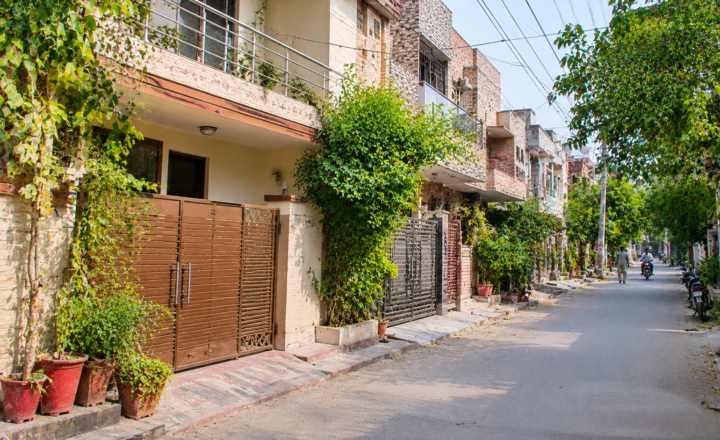
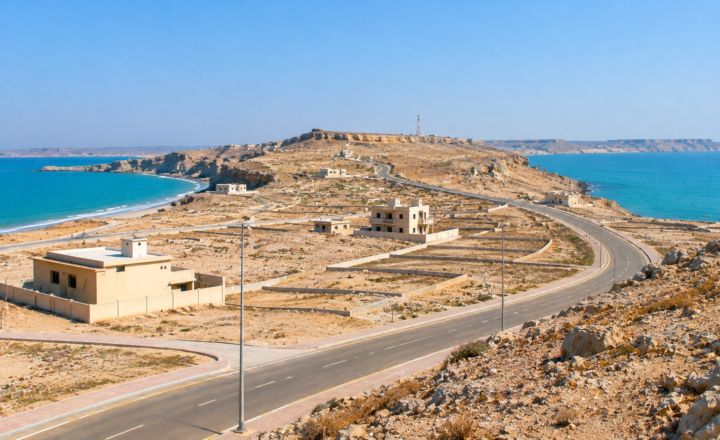
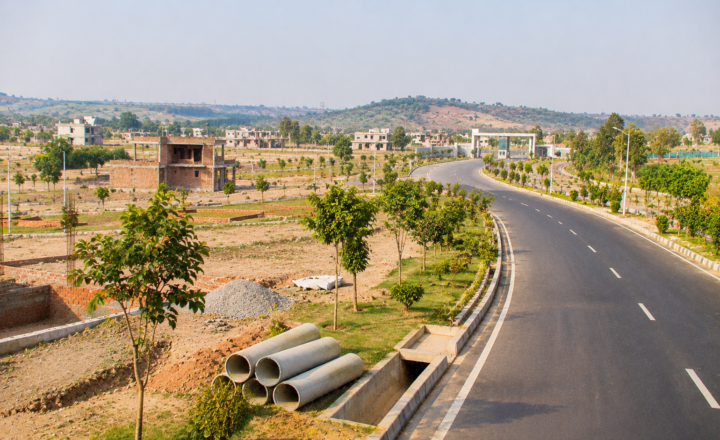
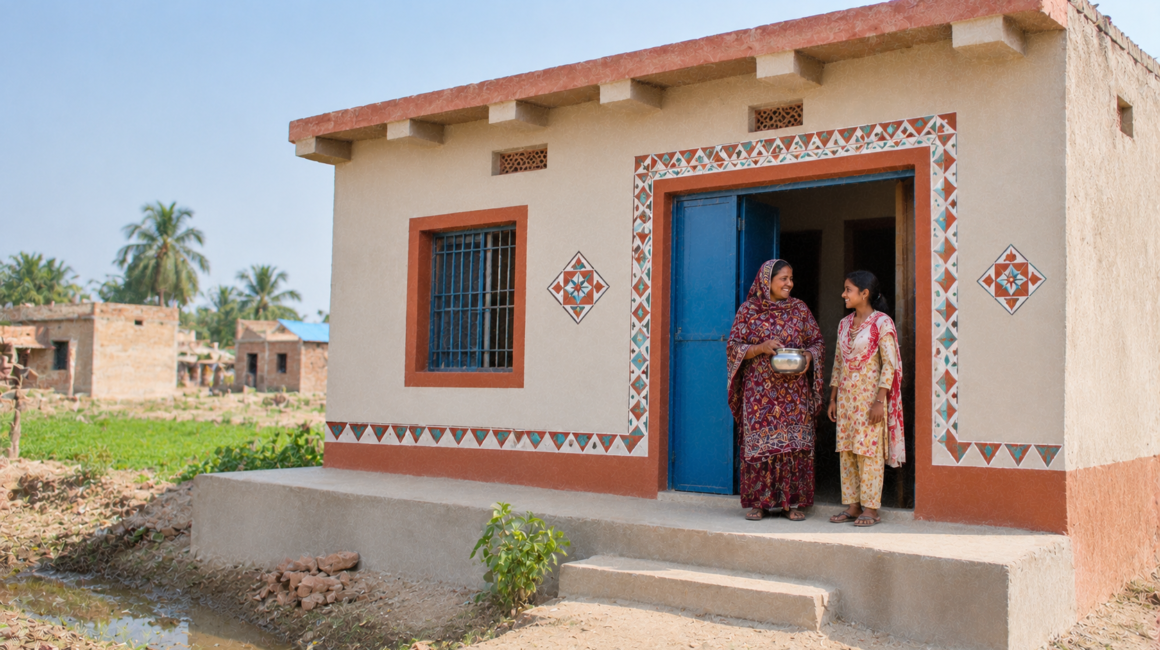
Reviewed on 15 November 2026. This is independent educational information, not a property advertisement, legal opinion or a live registration guarantee. Photos illustrate the verification process and are not photos of the named development.